

ACL Reconstruction Surgery: 2026 Guide to Procedure & Recovery
ACL Reconstruction Surgery: What Every Patient Needs to Know in 2026
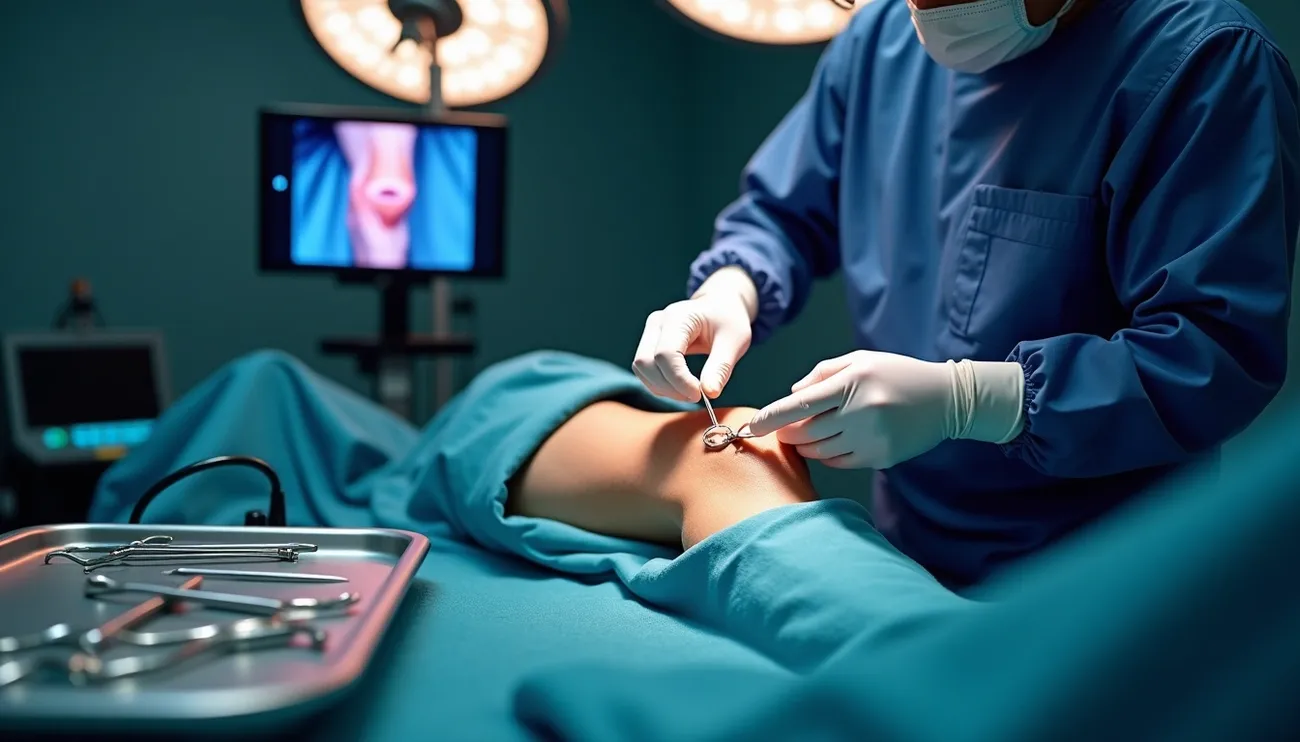 ACL reconstruction surgery remains one of the most common procedures we perform for athletes experiencing a partial or complete tear of the anterior cruciate ligament . If you’ve recently suffered a knee injury, understanding your treatment options is critical for making informed decisions about your care.
For many patients, especially those with complete ACL tears, surgery is generally recommended as the primary treatment approach. However, recent studies have shown that some young patients with partial ACL tears may heal without surgical intervention . When surgery is necessary, we typically schedule the procedure between 3 to 6 weeks after the initial injury . The recovery timeline is significant—patients usually require 9 to 12 months before safely returning to sports activities .
In this comprehensive guide, we’ll walk you through everything you need to know about ACL reconstruction in 2026—from understanding the injury itself to exploring the latest surgical techniques and rehabilitation protocols. We’ll also share insights from recent research, including how our physician researchers at HSS have been using machine learning algorithms to predict which patients might experience significant improvements after ACL reconstruction .
Understanding ACL Injuries
Image Source:
The knee joint relies on several key structures to maintain stability during everyday movements and athletic activities. Understanding the nature of ACL injuries is essential for anyone facing potential ACL reconstruction surgery.
What is the ACL and why it matters
The anterior cruciate ligament (ACL) is one of four major ligaments that stabilize the knee joint. Located in the center of the knee, this strong band of connective tissue extends from the anteromedial aspect of the tibial plateau to the medial aspect of the lateral femoral condyle . Measuring approximately 32 mm in length and 7-12 mm in width, the ACL forms an “X” shape with the posterior cruciate ligament (PCL)
The ACL consists of two distinct bundles—the anteromedial and posterolateral bundles—each serving unique functions . The anteromedial bundle tightens during knee flexion and provides about 85% of the stability against anterior tibial translation . Meanwhile, the posterolateral bundle tightens during extension and primarily controls rotational stability
This crucial ligament prevents your tibia (shin bone) from sliding too far forward relative to your femur (thigh bone) and limits excessive rotational movement . With a strength of 2200 N, the ACL acts as a biomechanical restraint that protects your knee during pivoting, jumping, and sudden directional changes
Common causes of ACL tears
Most ACL tears (approximately 80%) occur through non-contact mechanisms rather than direct impact . This makes many ACL injuries potentially preventable with proper training and awareness. Common causes include:
- Sudden pivoting or cutting movements – Quick directional changes with the foot planted firmly on the ground, commonly seen in soccer, basketball, and tennis
- Incorrect landing after jumping – Landing with straight legs or knees caving inward puts tremendous stress on the ACL
- Rapid deceleration – Suddenly stopping while running forces the knee to absorb excessive pressure
- Direct contact – Although less common, a hit to the outside of the knee can force it inward, damaging the ACL
Sports with high incidence rates include soccer, football, basketball, and skiing . Notably, female athletes face a substantially higher risk—between 1.5 to 4.6 times greater than their male counterparts in comparable sports . This gender disparity may relate to differences in physical conditioning, muscular strength, neuromuscular control, and anatomical factors
Typical symptoms of an ACL injury
Recognizing the symptoms of an ACL tear is critical for prompt medical attention. Following an ACL injury, patients typically experience:
- A distinct “popping” sound or sensation at the moment of injury
- Rapid swelling within 24 hours due to hemarthrosis (bleeding within the joint)
- Significant pain, particularly when attempting to bear weight
- Instability or feeling like the knee is “giving way”
- Reduced range of motion in the affected knee
- Difficulty walking normally
Beyond the immediate symptoms, ACL injuries carry serious long-term implications. Despite surgical reconstruction and rehabilitation, the risk of developing knee osteoarthritis increases nearly fourfold after an ACL injury Furthermore, only 63% of individuals return to their pre-injury level of sport participation following ACL reconstruction, and merely 44% return to competitive sport
Understanding these fundamentals about ACL injuries provides essential context for those facing potential ACL reconstruction surgery and highlights the importance of proper diagnosis and treatment planning.
When is ACL Reconstruction Surgery Needed?
Deciding whether you need ACL Reconstruction Surgery depends on several factors beyond just the presence of a tear. The decision-making process requires careful evaluation of the injury severity, your lifestyle needs, and long-term joint health considerations.
Partial vs complete ACL tears
The extent of your ACL tear significantly influences treatment recommendations. Partial ACL tears occur when some ligament fibers remain intact, maintaining a degree of knee stability. In contrast, complete tears involve a total rupture of the ligament, leaving the knee unstable .
For partial tears, non-surgical treatment often yields positive outcomes. Many patients experience good recovery with rehabilitation lasting approximately 3 months . Nevertheless, even with partial tears, some individuals may continue experiencing instability symptoms that interfere with daily activities
Complete ACL tears present a much less favorable outlook without surgical intervention. Research shows that after a complete tear, many patients cannot participate in cutting or pivoting sports, while others experience instability even during routine activities like walking . In fact, only rare individuals can participate in sports without instability symptoms following a complete ACL tear .
How lifestyle and age affect the decision
Your daily activities and athletic aspirations play crucial roles in determining whether surgery is necessary. ACL reconstruction is typically recommended for:
- Athletes and individuals wanting to return to demanding physical activities
- Younger patients with high activity levels
- Patients experiencing instability during everyday movements
- Cases involving additional injuries to the meniscus or other knee structures
- Recovery Timeline After ACL Reconstruction Surgery
- Risks of ACL Reconstruction Surgery
- How Long Does ACL Reconstruction Surgery Take?
- Who Needs ACL Reconstruction Surgery
Conversely, non-surgical management may be sufficient for:
- Patients with partial tears who don’t experience instability
- Individuals willing to modify their activities and avoid high-demand sports
- Those with sedentary lifestyles or who perform light manual work
- Older adults with less demanding physical requirements
Age considerations have evolved in recent years. Traditionally, surgeons approached ACL tears in patients over 50 conservatively. However, a study with minimum 10-year follow-up found that ACL reconstruction in patients over 50 had only a 10.5% failure rate, with 91.4% of patients reporting satisfaction with their outcomes . This suggests ACL surgery can be successful for older active adults who wish to maintain their lifestyle
For children and adolescents, the decision becomes more complex. Early ACL reconstruction in young patients with open growth plates carries potential risks of growth disturbances . Nonetheless, recent evidence supports earlier surgical intervention for young patients since delaying treatment increases their risk of secondary meniscal or cartilage injuries
Risks of delaying surgery
Postponing necessary ACL reconstruction can lead to several serious consequences. A study from Johns Hopkins Children’s Center found that delaying ACL surgery in children significantly increased the risk of new tears in the meniscus and cartilage after the initial injury
Additionally, untreated ACL tears commonly result in:
- Secondary damage to surrounding structures: About half of ACL injuries occur alongside damage to the meniscus, articular cartilage, or other ligaments Without proper ACL function, these structures face increased stress.
- Progressive joint deterioration: Approximately 10 years after an ACL injury, the majority of patients with chronic instability will have meniscus damage . Similarly, articular cartilage lesions become more common in patients with long-standing ACL deficiency
- Increased arthritis risk: An HSS study over 10+ years found that patients without ACL reconstruction were six times more likely to develop cartilage degeneration in the shinbone and five times more likely to have degeneration in the kneecap compared to those who underwent surgery .
- Chronic instability: Without surgical intervention for complete tears, the knee may remain permanently unstable, limiting activities and potentially requiring more extensive treatment later .
In essence, the decision about ACL reconstruction surgery requires personalized assessment based on your tear severity, lifestyle demands, age, and long-term joint health goals. Consulting with an orthopedic specialist who can evaluate these factors is essential for determining the most appropriate treatment path for your specific situation.
Types of ACL Reconstruction Techniques
Surgical options for repairing a damaged ACL have advanced considerably over the years. Understanding the different techniques available helps patients make informed decisions about their treatment path.
ACL reconstruction vs ACL repair
Traditional ACL reconstruction involves completely replacing the torn ligament with a graft, whereas ACL repair aims to preserve and reattach the original ligament. Modern repair techniques have shown promise in select patients, though reconstruction remains the gold standard. Studies show repair procedures have significantly higher failure rates (OR = 2.24) and revision rates (OR = 2.01) compared to reconstruction . However, repair approaches performed within 21 days of injury have demonstrated outcomes comparable to reconstruction in randomized controlled trials
Autograft vs allograft options
The choice of graft material profoundly impacts surgical outcomes. Autografts (taken from your own body) include:
- Hamstring tendons – Easier to harvest with no risk to growth plates, though potentially associated with reduced sprint speed
- Bone-patellar tendon-bone (BTB) – Offers faster tissue integration but carries higher risk of anterior knee pain [13]
- Quadriceps tendon – Provides sufficient graft diameter with lower surgical impact [13]
Alternatively, allografts (from donors) eliminate donor site morbidity and shorten operation time, yet cost more and may incorporate more slowly [14]. Research indicates autografts achieve better outcomes, with one long-term study revealing allograft failure rates three times higher than autografts (26.5% vs. 8.3%) [3].
Bridge-enhanced ACL repair (BEAR)
The BEAR technique, FDA-approved in 2020, uses a resorbable collagen scaffold soaked in the patient’s blood to bridge the gap between torn ACL ends [15]. This innovative approach preserves the native ACL and its proprioceptive fibers while potentially accelerating recovery [16]. In clinical trials, BEAR has shown comparable IKDC scores to traditional reconstruction at two years post-surgery [17], though a 15% failure rate has been noted, primarily in patients under 22 years old [15].
Pediatric-specific surgical methods
For younger patients with open growth plates, specialized techniques prevent growth disturbances. These methods fall into four categories: physeal-sparing, partial transphyseal, transphyseal, and extraphyseal [18]. Surgeons often prefer hamstring or iliotibial band autografts for pediatric patients [13]. Early surgical intervention is now recommended for children to reduce the risk of secondary meniscal and cartilage damage [18].
Step-by-Step ACL Surgery Process
Image Source: ResearchGate
The ACL reconstruction surgery journey begins well before you enter the operating room, with careful planning and preparation to ensure optimal outcomes.
Pre-surgery preparation and imaging
Initially, I perform a thorough physical examination to assess knee stability, range of motion, and any swelling or tenderness. Specific tests like the Lachman test help evaluate ACL integrity. Comprehensive imaging is essential—MRI scans confirm the diagnosis and assess damage to surrounding structures including the meniscus and cartilage. For complex cases, CT scans provide detailed views of bone structures, with 3D reconstruction offering complete visualization of the knee’s architecture [19]. Presently, blood tests are conducted to rule out infection, which occurs in approximately 0.14–1.70% of cases
Harvesting the graft
For autograft procedures, I typically create a small 2-3 cm incision to access the donor tendon. With hamstring grafts, the incision is placed midway between the tibial tubercle and posteromedial border of the tibia [5]. After careful dissection to the level of the sartorial fascia, I identify the gracilis and semitendinosus tendons. Each tendon is individually dissected and whip-stitched with strong, nonabsorbable suture. Subsequently, a specialized tendon stripper releases each tendon from its muscular attachment [5]. At the back table, the tendon is prepared according to specific requirements for the reconstruction.
Arthroscopic reconstruction procedure
The arthroscopic portion begins with small incisions around the knee joint for the camera and surgical instruments. Saline solution expands the joint space to improve visualization [2]. I evaluate all structures, repairing any meniscal or cartilage damage. Tunnels are then drilled in the femur and tibia to anchor the graft in the correct anatomical position [4]. Essentially, the graft is passed through these tunnels and secured using screws or other fixation devices. Final testing ensures proper tension and function before closing the incisions [4].
Anesthesia and pain management
Typically, patients receive either regional or general anesthesia. Regional options include spinal or epidural blocks that numb the legs for 2-3 hours, usually accompanied by sedation [20]. General anesthesia renders you completely unconscious but may cause more post-operative nausea [20]. For pain management, we’ve shifted from exclusive opioid use to multimodal approaches. Options include femoral nerve blocks (FNB), which significantly decrease morphine consumption in the first 24 hours [21], adductor canal blocks (ACB), and local infiltration analgesia (LIA) with agents like lidocaine, bupivacaine, and ketorolac [21]. Ice therapy, compression, and elevation further complement medication-based pain control.
Recovery Timeline and Rehabilitation
Recovery after acl reconstruction surgery doesn’t end in the operating room—it begins there. Successful rehabilitation typically spans six to nine months, with competitive athletes possibly needing longer Throughout this journey, patience becomes your greatest ally.
Week-by-week recovery milestones
The first two weeks after surgery focus on controlling swelling, regaining knee extension, and activating quadriceps muscles [6]. Ice, elevation, and gentle exercises form the cornerstone of this phase. By weeks 3-6, you’ll gradually increase weight-bearing and intensify physical therapy to improve range of motion and strength [22]. Weeks 6-12 mark a significant transition as you’ll begin more dynamic exercises, potentially including light jogging Around months 3-5, power and agility training commence, preparing you for return to sport [24].
Importance of physiotherapy
Rehabilitation after acl tear surgery proves essential for restoring knee strength and flexibility . Indeed, studies show patients undergoing structured physiotherapy achieve better surgical outcomes and more frequently return to pre-injury activity levels [24]. Therapy typically progresses through distinct phases, each building upon the previous. Most importantly, compliance with your rehabilitation protocol directly impacts recovery success—particularly in preventing loss of motion, the most common post-operative complication [6].
Return-to-sport testing
Before resuming competitive activities, you must pass comprehensive functional assessments, typically administered around month 6 [25]. These evaluations measure limb symmetry, with most tests requiring the surgical leg to perform at least 90% as well as the uninjured side [26]. Specific tests include single-leg squats, hop tests, and agility drills [26]. First and foremost, research indicates patients meeting these criteria experience an 84% reduction in knee reinjury rates [27].
Common challenges during recovery
Even with diligent rehabilitation, you may encounter obstacles. Post-surgical strength deficits, particularly in quadriceps and hamstrings, can hinder progress [28]. Psychological factors likewise play a crucial role—fear of reinjury often leads to activity avoidance [28]. Joint stiffness and scar tissue formation represent additional hurdles [28]. To overcome these challenges, tailored rehabilitation programs addressing your specific needs prove most effective [28]. Certainly, athletes who respect the recovery timeline significantly reduce their reinjury risk—those returning before 9 months are seven times more likely to tear their ACL again [29].
Conclusion
ACL reconstruction surgery remains a critical intervention for patients with complete tears who wish to return to active lifestyles. Throughout this guide, we’ve explored the fundamental aspects of ACL injuries, surgical options, and recovery expectations for 2026. The decision between surgical and non-surgical approaches depends significantly on tear severity, activity level, and long-term health goals. Most importantly, early intervention often yields better outcomes, particularly for preventing secondary damage to surrounding knee structures.
The surgical landscape continues to evolve, with techniques like bridge-enhanced ACL repair offering promising alternatives to traditional reconstruction methods. Still, autograft options generally provide superior long-term results compared to allografts, especially for younger, active patients. Surgery itself has become highly refined, with arthroscopic techniques minimizing invasiveness while maximizing precision.
Recovery requires patience and commitment. The 9-12 month rehabilitation journey might seem daunting at first, but each phase builds necessary strength and stability. Physical therapy undoubtedly plays a crucial role in successful outcomes, guiding you through progressive exercises that safely rebuild function. Rushing this process potentially increases reinjury risk sevenfold, making adherence to recommended timelines essential.
Many patients worry about returning to their previous activity levels after surgery. Our experience shows that realistic expectations coupled with disciplined rehabilitation lead to the best results. Fear of reinjury represents a common psychological hurdle, though comprehensive return-to-sport testing helps ensure both physical and mental readiness before resuming competitive activities.
Anyone facing ACL surgery should remember that modern techniques have dramatically improved outcomes compared to previous decades. Patients who follow recommended protocols typically experience excellent results, with most regaining stability and function sufficient for their desired activities. The journey may challenge you at times, but we stand ready to support your recovery every step of the way.
The decision to undergo ACL reconstruction should always come after thorough consultation with an experienced orthopedic surgeon. We encourage you to discuss your specific situation, goals, and concerns with our team to develop a personalized treatment plan that addresses your unique needs.
Book your First Appointment
